Designing the blueprint for how your smart devices work together — now and in the future.
🧩 Basic vs. Complex Architecture
Comparing basic and complex system layouts
Basic systems: Direct link between a task and a control.
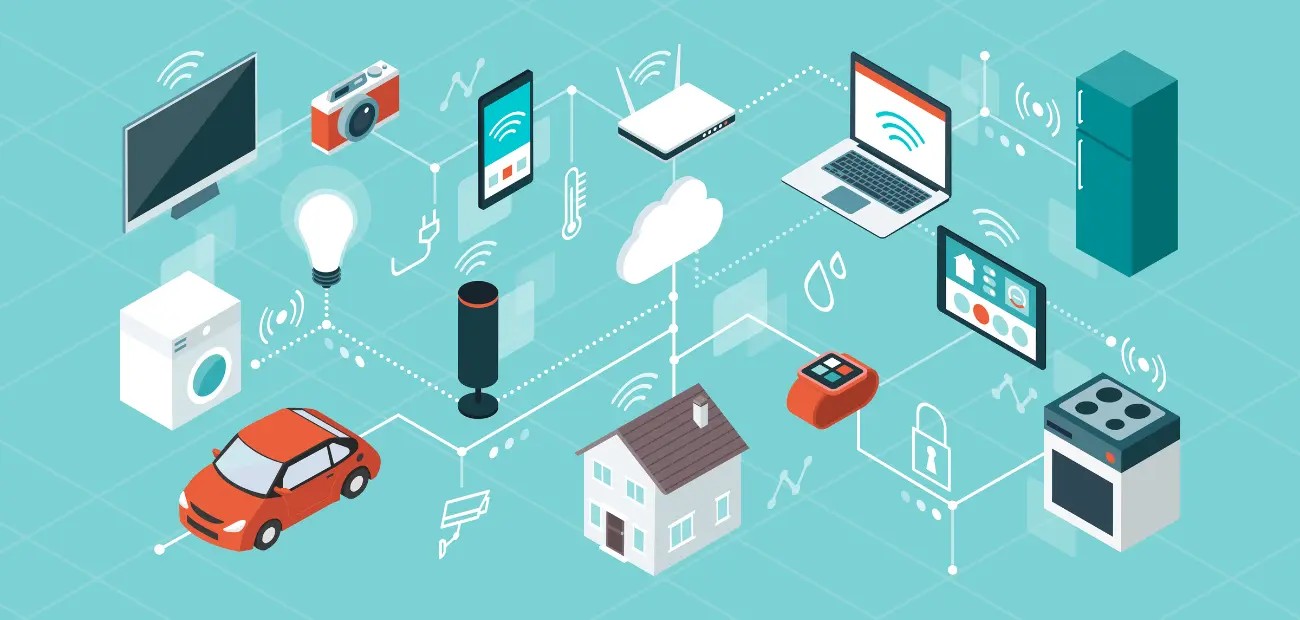
Complex systems: Divided into technology layers and control groups.
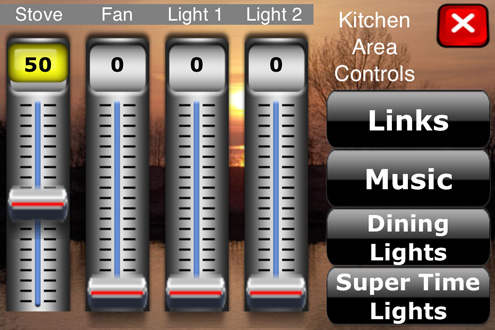
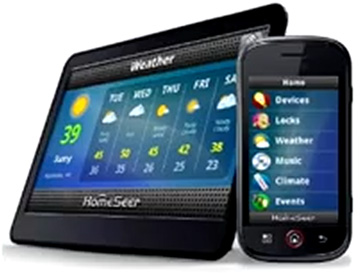
Controls grouped by activity or location for ease of use.
🛠️ Custom Design for Every Installation
Tailoring architecture to customer needs
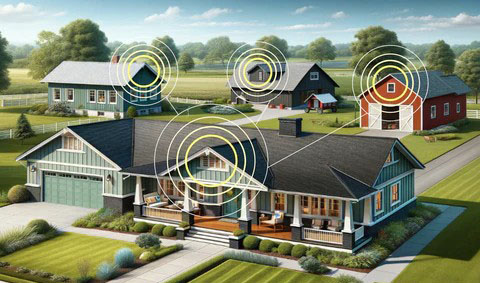
Architecture depends on customer needs and installed technologies.
Components chosen for compatibility and expandability.
Systems evolve over time with new devices and controls.
⚙️ How Tasks and Controls Work Together
Linking tasks to controls
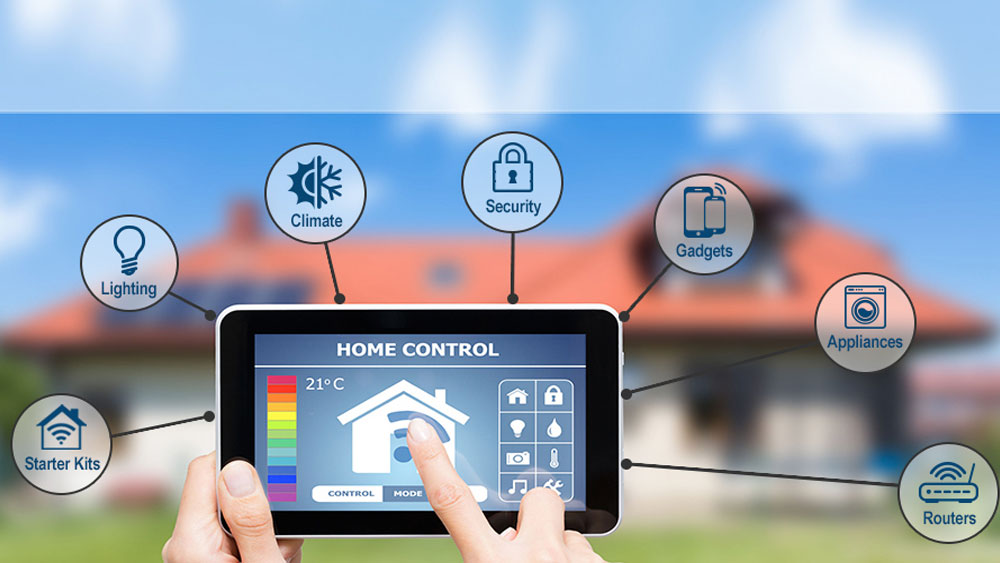
Tasks: Actions like lighting, climate, and security adjustments.
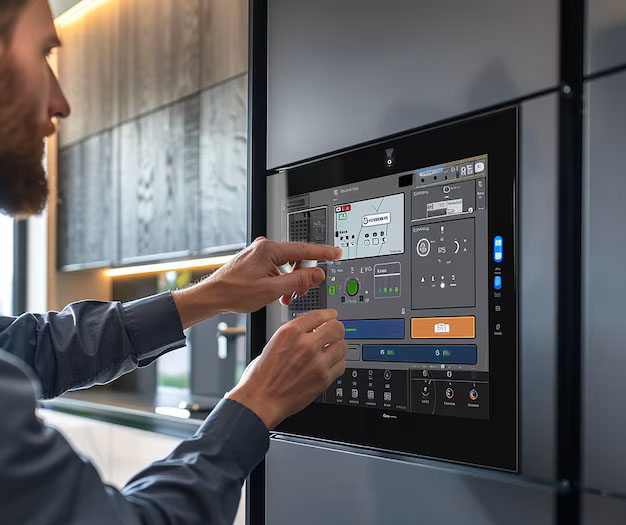
Controls: Remotes, touchscreens, voice commands, or automation.
Initiated manually, by sensors, or scheduled events.
🚀 Expandability & Future‑Proofing
Expanding technology and control options
Expand technology divisions with new devices or protocols.
Add new control interfaces like apps or voice assistants.
Modify automation events to adapt to changing needs.
🖼️ Visual Inspiration
Imagine sitting down to watch a movie — with one tap, the lights dim, blinds close, and the TV turns on. That’s the power of a well‑designed architecture that groups controls by activity, not just by device.